
In recent years, the practice of microdosing has gained widespread attention—not only in psychedelic communities but also among neuroscientists, mental health professionals, and wellness seekers looking to optimize their cognitive function and emotional resilience. But what’s actually happening in the brain when we microdose psilocybin? How does this compound, derived from “magic mushrooms,” influence neural pathways and plasticity?
In this blog, we explore the cutting-edge neuroscience behind psilocybin and how tiny, non-psychedelic doses may support brain health, learning, and emotional well-being.
What Is Brain Plasticity?
Brain plasticity—also known as neuroplasticity—is the brain’s ability to reorganize and form new neural connections throughout life. This capacity allows us to learn new skills, adapt to new situations, and recover from injuries. Higher levels of plasticity are associated with greater creativity, flexibility, and emotional intelligence.
However, stress, trauma, aging, and certain mental health conditions can reduce plasticity, leading to rigid thought patterns, negative thinking loops, and decreased cognitive performance. Enhancing neuroplasticity is a key goal in modern neuroscience—and psilocybin appears to be a powerful tool in that effort.
How Psilocybin Affects the Brain
Psilocybin is a prodrug, meaning it converts in the body to psilocin, the compound that interacts directly with the brain. Psilocin is structurally similar to serotonin, a neurotransmitter involved in mood regulation, perception, and cognition. This similarity allows it to bind with serotonin receptors, particularly the 5-HT2A receptor found throughout the brain.
Key Effects:
- Increased Synaptogenesis: Studies in animal models show that psilocybin can promote the growth of new dendritic spines—tiny projections from neurons that form connections with other neurons.
- Enhanced Connectivity: Psilocybin appears to increase communication between previously disconnected brain regions. This “hyperconnected” state has been linked to improved creativity and novel thinking.
- Default Mode Network (DMN) Modulation: The DMN is a network involved in self-referential thinking and rumination. Psilocybin reduces DMN activity, which may explain its ability to alleviate depression and obsessive thinking.
Microdosing and Long-Term Brain Health
While full-dose psychedelics induce a temporary rewiring of the brain, microdosing aims to create subtle, sustained benefits over time without the intense experience of a trip. Regular microdosing may promote:
- Greater Emotional Flexibility
- Faster Learning and Adaptation
- Reduction in Anxiety and Depression
- Improved Focus and Memory
Though more research is needed, early evidence suggests that microdosing could be particularly effective in supporting neuroplasticity in individuals recovering from trauma, navigating life changes, or managing chronic stress.
Scientific Studies and Evidence
- 2018 Study in Cell Reports: Showed that psychedelics like psilocybin enhance structural and functional neural plasticity in prefrontal cortical neurons.
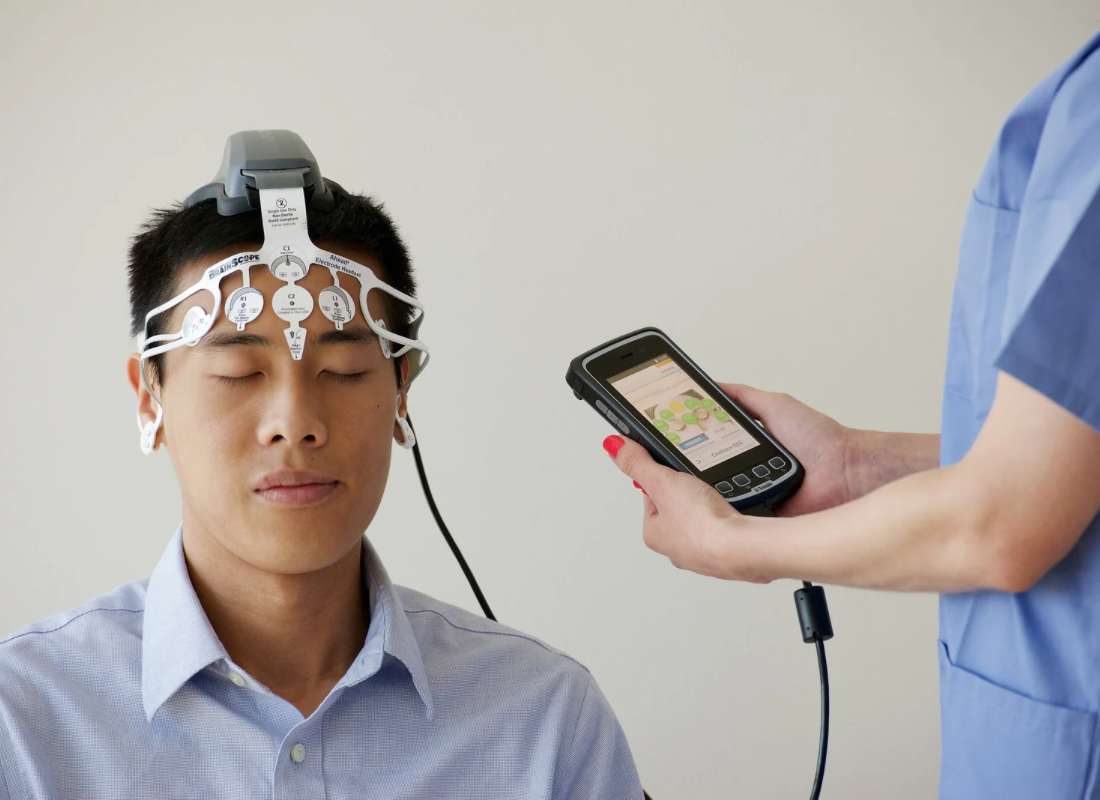
- 2021 Research from Imperial College London: Used fMRI to show increased brain connectivity and reduced depression scores in patients after psilocybin therapy.
- Anecdotal Reports: Thousands of individuals report mental clarity, emotional balance, and creativity boosts from microdosing.
Best Practices for Enhancing Plasticity with Microdosing
- Consistency Over Time: Neuroplasticity benefits appear to build over weeks of regular microdosing.
- Pair with Cognitive Training: Learning new skills, practicing mindfulness, and journaling can amplify results.
- Diet and Lifestyle: A brain-healthy diet, adequate sleep, and exercise support plasticity.
- Avoid Overuse: Rest days between doses are important to prevent tolerance.
The Future of Psychedelic Neuroscience
As legal restrictions ease and research expands, we’re likely to see more targeted studies on microdosing and brain health. From Alzheimer’s to PTSD, conditions linked to diminished plasticity may soon benefit from psilocybin-assisted therapy and protocols.
Until then, intentional microdosing—paired with holistic self-care—offers a promising path for personal growth and neural renewal.